Learn the hidden riches of the land of Tibet and check the face of the highest mountain on 7 Nights 8 Days Lhasa Everest Base Camp Tibet Tour. A trip of this scale is one of the most rewarding adventures in Asia, blending the rich tradition of Tibet’s Buddhist heritage, spectacular Himalayan scenery, sacred monasteries, turquoise lakes, and the mountain valley’s most famous Everest Base Camp (5,200m). It is a one of a kind place for young girls with memories of timeless cultures and mythology, and can be considered to be both a home to hundreds of thousands of souls.
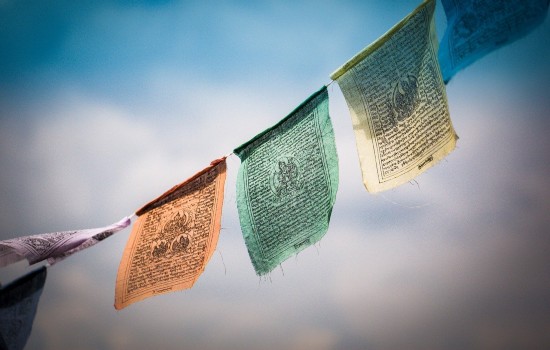
Located on the expansive Tibetan Plateau, at an average elevation of more than 4,000 meters, Tibet is inhabited by centuries-old monasteries, energetic prayer flags, amiable nomadic regions and many of the world’s top peaks. This meticulously curated itinerary provides travelers with a stepwise transition as they delve into the cultural hub of Tibet before heading for the spectacular northern face of Mount Everest.
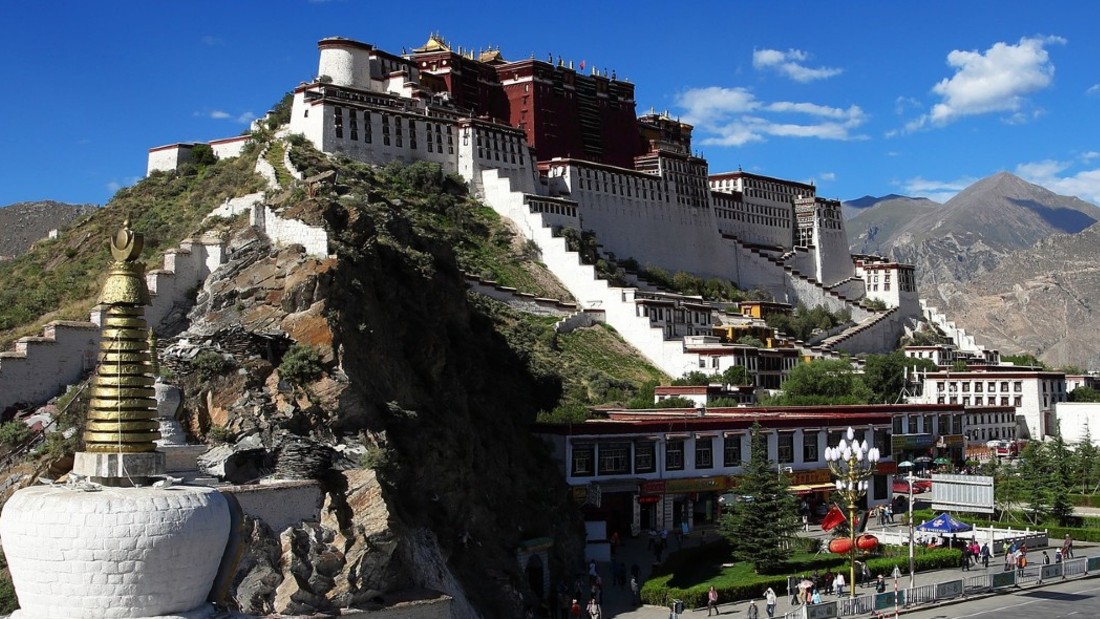
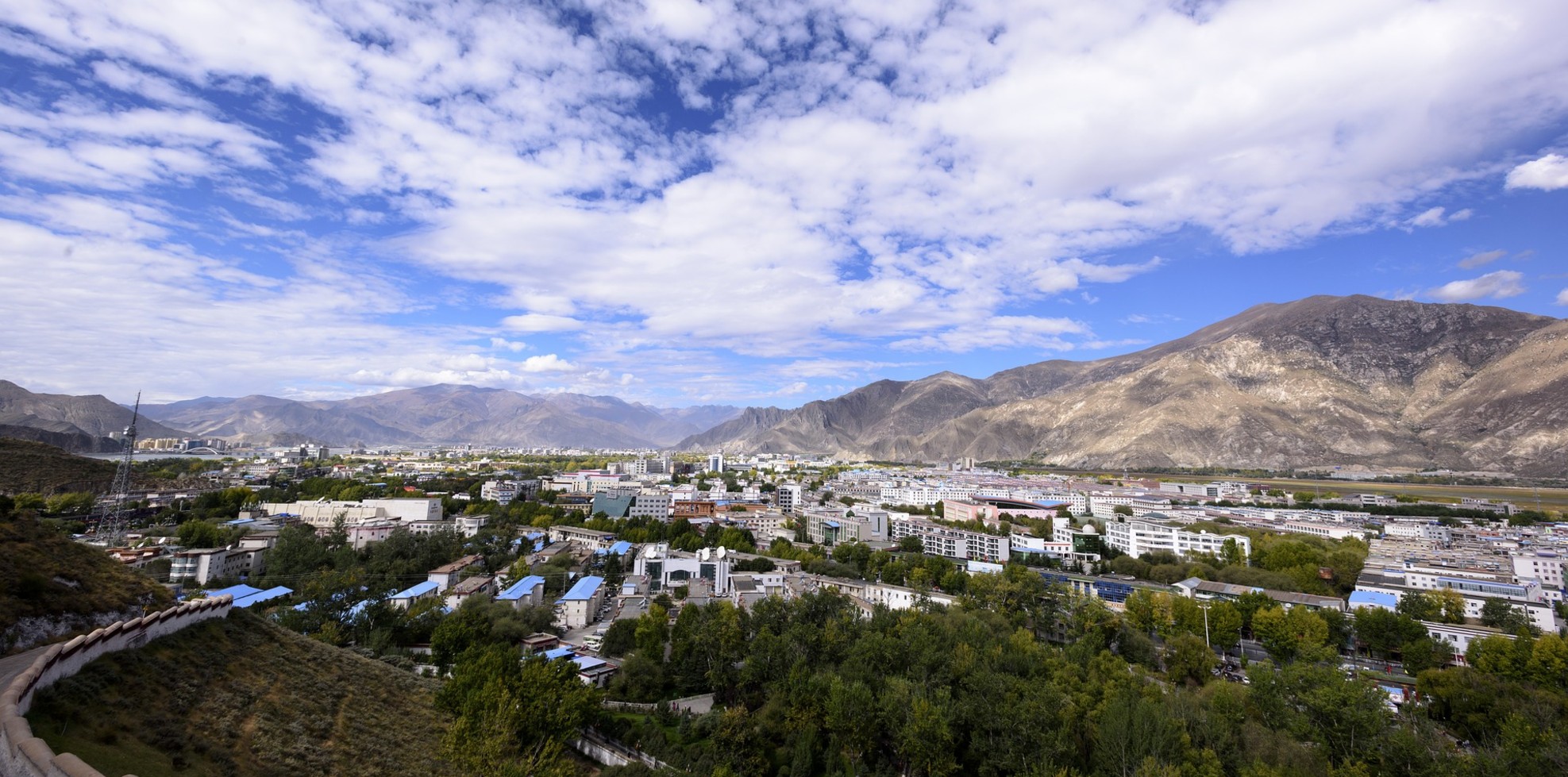
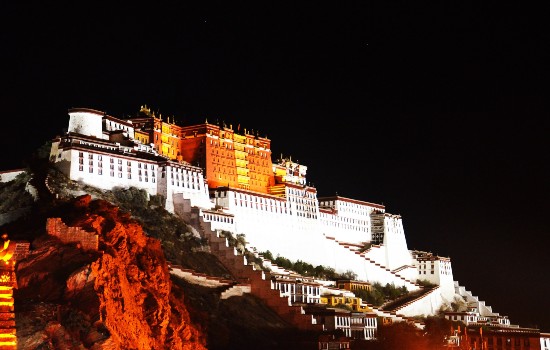
It starts in Lhasa (3,650m), Tibet’s spiritual and cultural capital. Spend two packed days exploring this holy city’s most admired landmarks: This includes the splendid and breathtaking Potala Palace, the former winter hideout of the Dalai Lama, the holy Jokhang Temple, the bustling Barkhor Bazaar. But it also has its famous Sera and Drepung Monasteries where monks perform centuries-old customs of Buddhist learning and debate. These UNESCO-endorsed landmarks give a valuable lesson in history, religion, and culture.
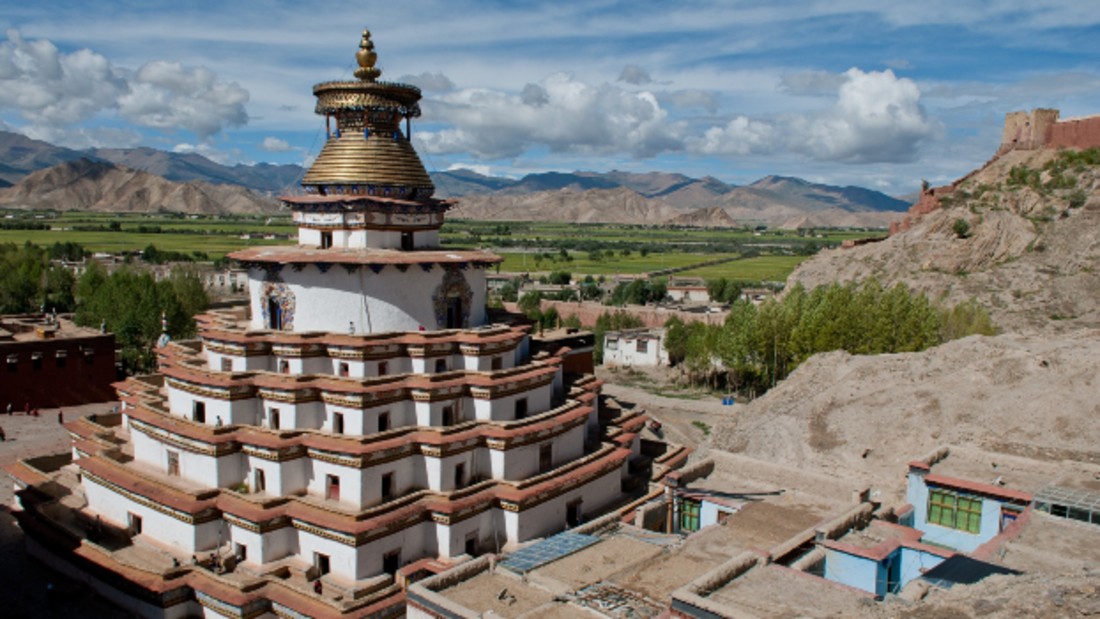
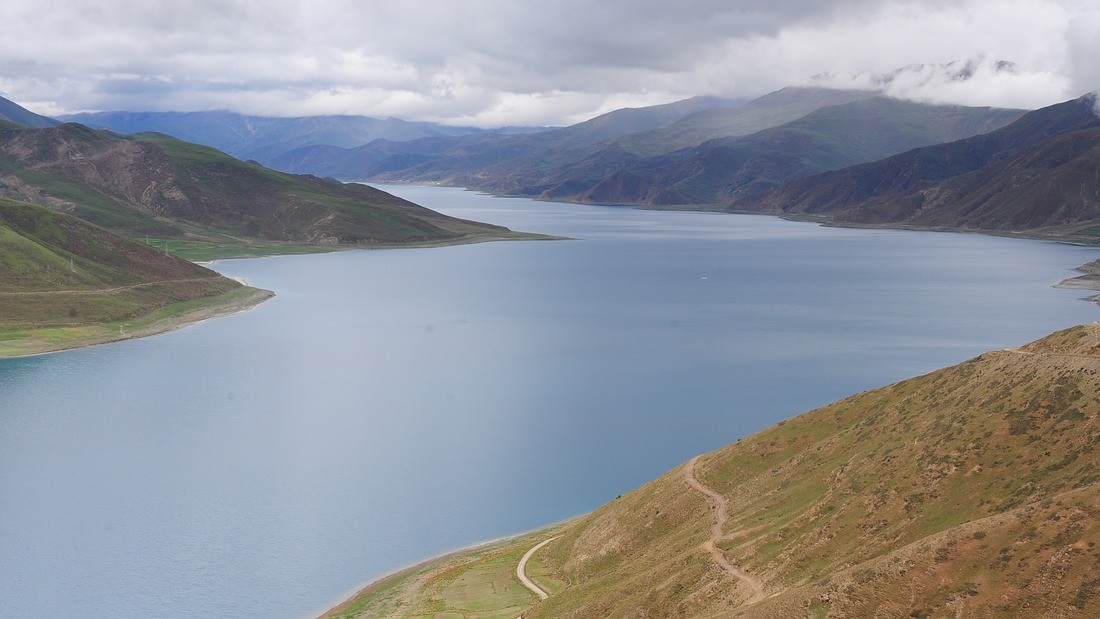
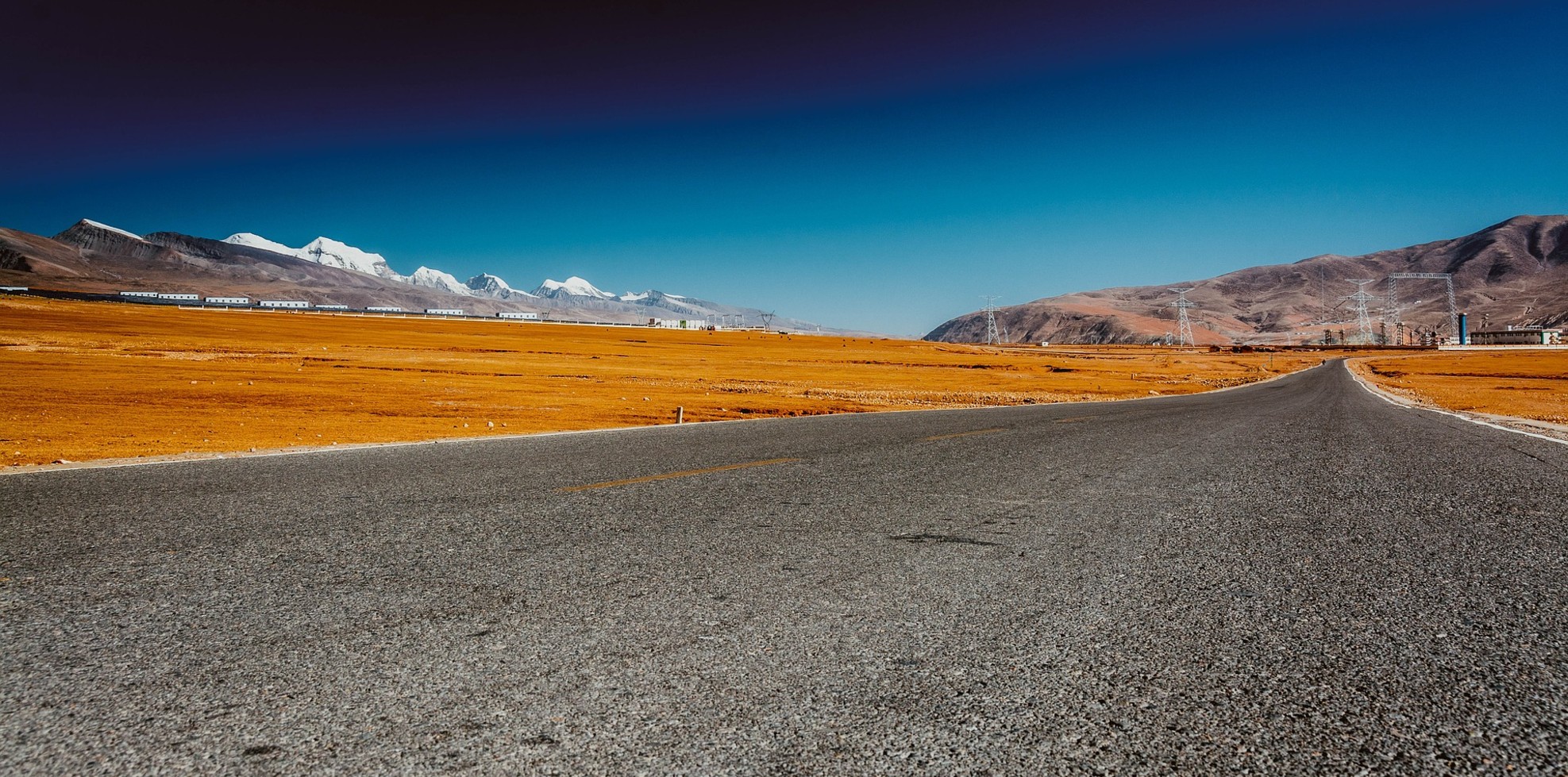
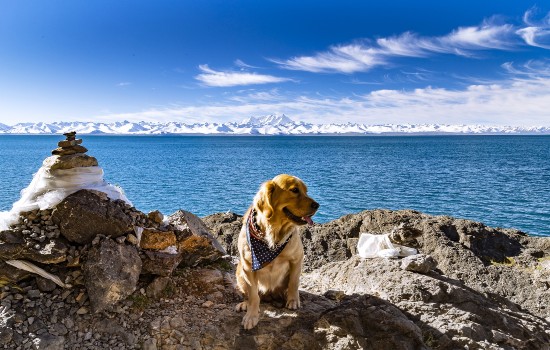
Lhasa is no stop, but after leaving the city, that journey continues along some of the most scenic highways in the Himalayas. Cross spectacular high mountain passes and reach the beautiful Yamdrok Tso Lake itself, one of Tibet’s most sacred and beautiful lakes, known for its pristine clear turquoise surface waves. To Gyantse (Historical City) at your next stop, where you will visit the splendid Kumbum Stupa and Phalkor Monastery before arriving in Shigatse (3,950m), the second largest city in Tibet, and is the base of the famed Tashilhunpo Monastery, the traditional home of the Panchen Lama.
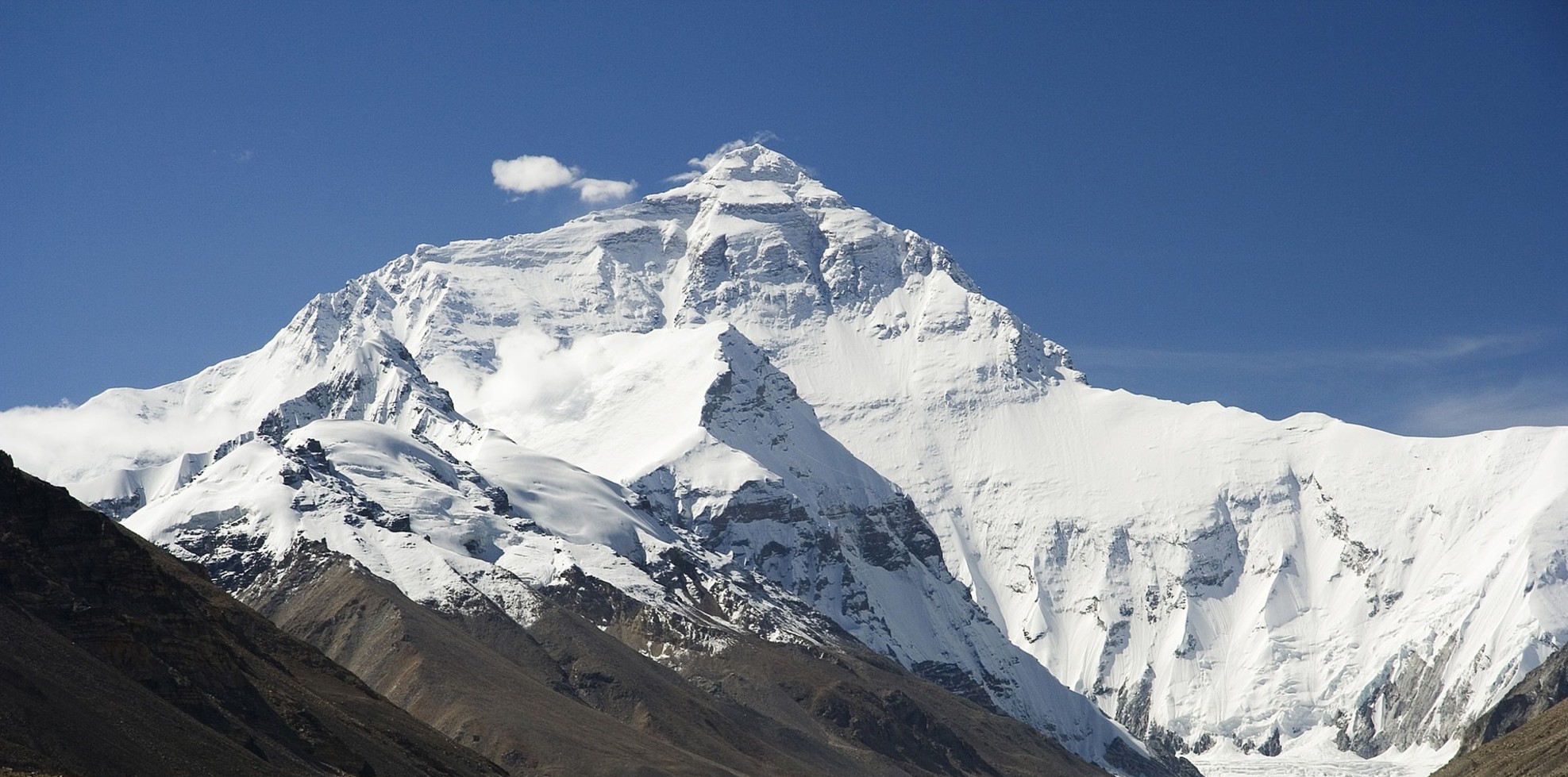
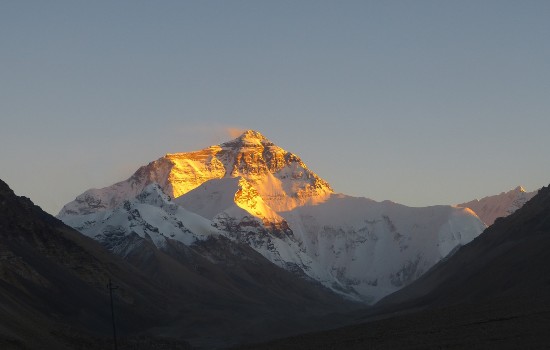
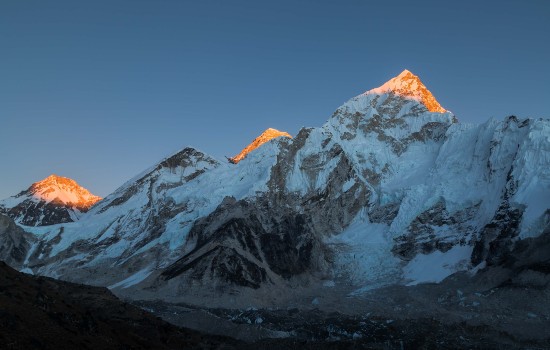
To get you your spot your tour starts on the expansive Tibetan Plateau, where you’ll eventually follow the Tibetan mountain chain to the top: the top Tibetan Monastery, Rongbuk Monastery in the world. Visitors will cross fantastic passes such Gyatso La and Gawu La with breathtaking panoramic views of Himalayan monuments including Everest, Cho Oyu, Makalu, and Shishapangma. A short walk from Rongbuk and you’re transported to the legendary Everest Base Camp (5,200m) where the spectacular north face of Mount Everest (8,848.86m) overshoot the Tibetan mountain scenery.
Nothing compares to the sheer incredible vision of sunrise and sunset over the world’s highest point from this incredible elevation. This Lhasa Everest Base Camp Tibet Tour is for those who want some cultural exploration and a dose of Himalayan adventure without having to do any trekking.
Accommodations in most of the major towns are comfortable, there are expert Tibetan guides and a structured acclimatization package with plans.
Best Time to Travel
April to November are the optimal season for the Lhasa Everest Base Camp tour and when the skies are mostly open and mountaintop views are at their highest peak. Spring and autumn provide the best weather and visibility for Mount Everest. Whether you are interested in seeing and experiencing Tibet spiritually, the breathtaking scenery of the Himalayas, or your dream of reaching Mount Everest up close, this 7 Nights 8 Days Lhasa Everest Base Camp Tibet Tour offers one of the most wonderful and remote experiences in the world. When it comes to culture, history, nature and adventure – it’s an experience for the ages.
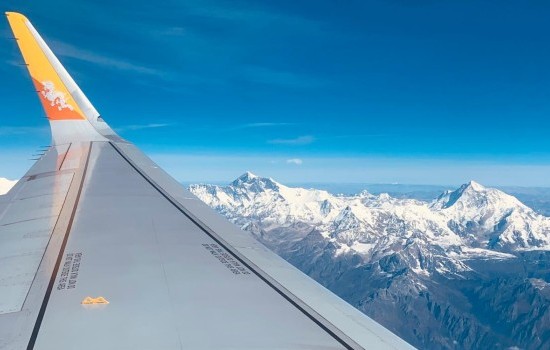
Fly or train to Lhasa from Mainland China, or Fly (1 Hr.) to LHASA over crossing over the highest Himalayan ranges of the world. Transfer and check-in to your hotel. Full rest for acclimatization- Hotel.
Two full-day sightseeing tours to LHASA including JOKHANG TEMPLE, BARKHOR BAZAAR, POTALA PALACE, and SERA & DREPUNG MONASTERIES. Overnight at the hotel.
Drive to Shigatse via Gyantse and Yamdroktso. Enroute visit Yamdroktso and Phalkhor and Khumbub stupa in Gyantse. Drive to Shigatse. O/N at hotel.
Early in the morning, we will leave for Ronghuk via Lhatse and Shegar. On the way, we will encounter a few high passes, Gyatso La, Gawu La, and Nyalam Passes. On the top of Gawu La, we will be able to witness the spectacular view of the Himalayan Ranges. We will follow the bumpy road to Rongbuk, it about 100 Km. O/N at guest house.
You will hike to Everest base camp either on foot or hiring horse cart, Explore around EBC and back to Rongbuk (4+4 KM) and drive back to Shegar. O/N at Guest house. [If time permits, drive to Shigatse].
Visit Tashilomphu Monastery; Explore around Shigatse and drive direct to Lhasa. O/N at Hotel.
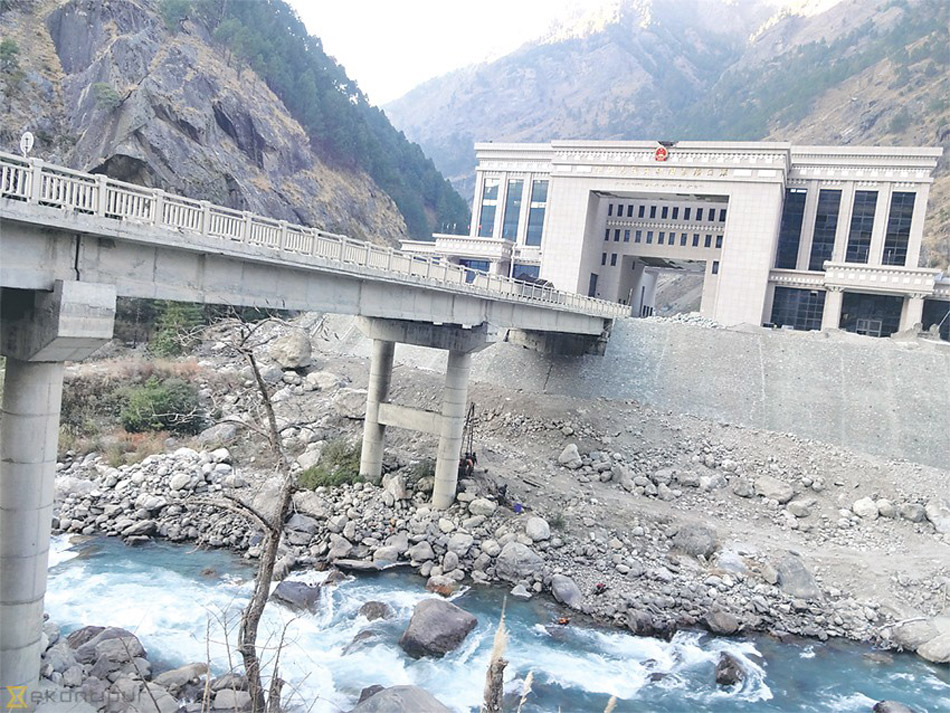
Alternatively, you can also drive further to the Kyirong border and exit to Nepal.
Drive to Airport or Train station for the destination to either Kathmandu or China.
Hassle-free is the word. If you plan to visit these countries? Anup at Himalayan Windows is the guy you need to see. Almost a year of planning and he was on top of things every single time. Any questions? He answers. Any suggestions? He answers. Better yet? You don’t need to plan anything. Have him plan it for you! He even booked us a fine dining restaurant in which my…
Payment: A deposit of 30% of the total tour cost is required to book the tour with Himalayan Windows (HW). The remaining balance is to be paid three days prior to the departure date. Payment can be made via Wire Transfer or Credit Card. All credit card payments are securely processed and a bank fee applies.
Cancellation: For cancellations more than 30 days before the Tour Start Date, there will be no cancellation fee. If the cancellation happens within 29-4 days prior to the Tour Start Date, a charge of 30% of the total invoice amount will be applied. Cancellations occurring within 3 days or less of the start date or in the case of a no-show, 100% of the total invoice amount will be charged. Learn more about Terms and Conditions.
Accommodation: Accommodation is typically provided in twin rooms in cities, though a single supplement can be requested for an additional fee. During peak season, it can be difficult to find single or twin rooms in the mountains, so our lodges usually offer dormitory-style accommodation. Our priority is always to provide clean and safe rooms for our guests.
Meals: Our packages in Bhutan include full board meals, with breakfast, lunch, and dinner included. For treks, all meals are provided, but you will need to pay extra for drinking water and snacks.
Nepal Visa: If you are planning a trip to Nepal, you must have a valid passport and Nepal Visa. Depending on your country of origin, you may need to obtain a Nepal Tourist Visa before your arrival. To be eligible, your passport should be valid for a minimum of six months from your Tour Start Date. If you are planning on traveling to multiple countries on your trip, make sure to get a multi-entries Nepal Visa.
Bhutan Visa Clearance: All visitors to Bhutan must have a valid Bhutan Visa Clearance before their trip. To obtain it, you must submit a color-scanned copy of your passport, which must be valid for at least 6 months from the start date of your tour. Your tour operator will send you a Visa Clearance prior to your departure, which you must present at the Druk Air/Bhutan Airlines counter during check-in. Once you arrive at Paro Airport, your passport will be stamped with the original visa.
Tibet Group Visa (TGV): All travelers from any nation intending to go to Tibet from Nepal must obtain a Tibet Group Visa (TGV) in Kathmandu with the help of a tour operator. To ensure the successful application of the TGV, you should plan to arrive in Kathmandu 3-4 working days before your travel date. If you are coming from China, you will not require a TGV; instead, you will need a Chinese Visa and Permit. To find out more about the process of entering Tibet, please look into the Tibet entry procedure.
Nepal & Bhutan: Visiting Nepal and Bhutan at the same time is ideal as they share a similar climate. From high mountains to low land sub-tropical plains and jungles, the two countries have similar weather. The best time to visit is from March to April (spring) and October to December (autumn and early winter). During these months, the air is clean and fresh with sunny skies. January and February are colder months, while June, July, and August (summer) are typically monsoon seasons.
Tibet: It is best to visit Tibet between April and October when the weather is warm and the skies are clear. However, from November to March, it is still possible to explore certain areas like Namtso, Everest Base Camp, and Mount Kailash, as long as the roads are not blocked by snow. Temperatures during this time may be quite cold.
HimalayanWindows strongly recommends that anyone planning to travel in the Himalayas purchase Travel Insurance. This policy will provide coverage in the case of medical emergencies, evacuation, theft, loss of belongings, and last-minute tour/ticket cancellations. Having this protection in place will help ensure that your trip is safe and enjoyable.
Frequently Asked Questions (FAQs) about Tibet tour Where is Tibet? Tibet is situated in the South-West of China, also bordering Nepal, India, Burma, and Bhutan. The historical territory of Tibet would make it the world's tenth-largest nation. Tibet is under China's occupation and has been divided, renamed, and incorporated into Chinese Provinces. If China refers to Tibet, It means only part of historical Tibet, which it names China's Tibet Autonomous… Read More »

![TOP 11 POPULAR TREKS IN THE HIMALAYAS! [NEPAL, TIBET AND BHUTAN]](https://himalayanwindows.com/wp-content/uploads/2016/06/Mt-Chomolhari-Feature.jpg)