Nepal is a perfect place to stay as it boasts some of the world’s most gorgeous scenery and has some of the most fascinating cultures that you would expect, not to mention its spiritual tradition. However, if this rich country is to realise its potential, meticulous planning needs to be done. This great guide teaches you more about the time of year and the best techniques to travel within Nepal, and make your trip an unforgettable one.
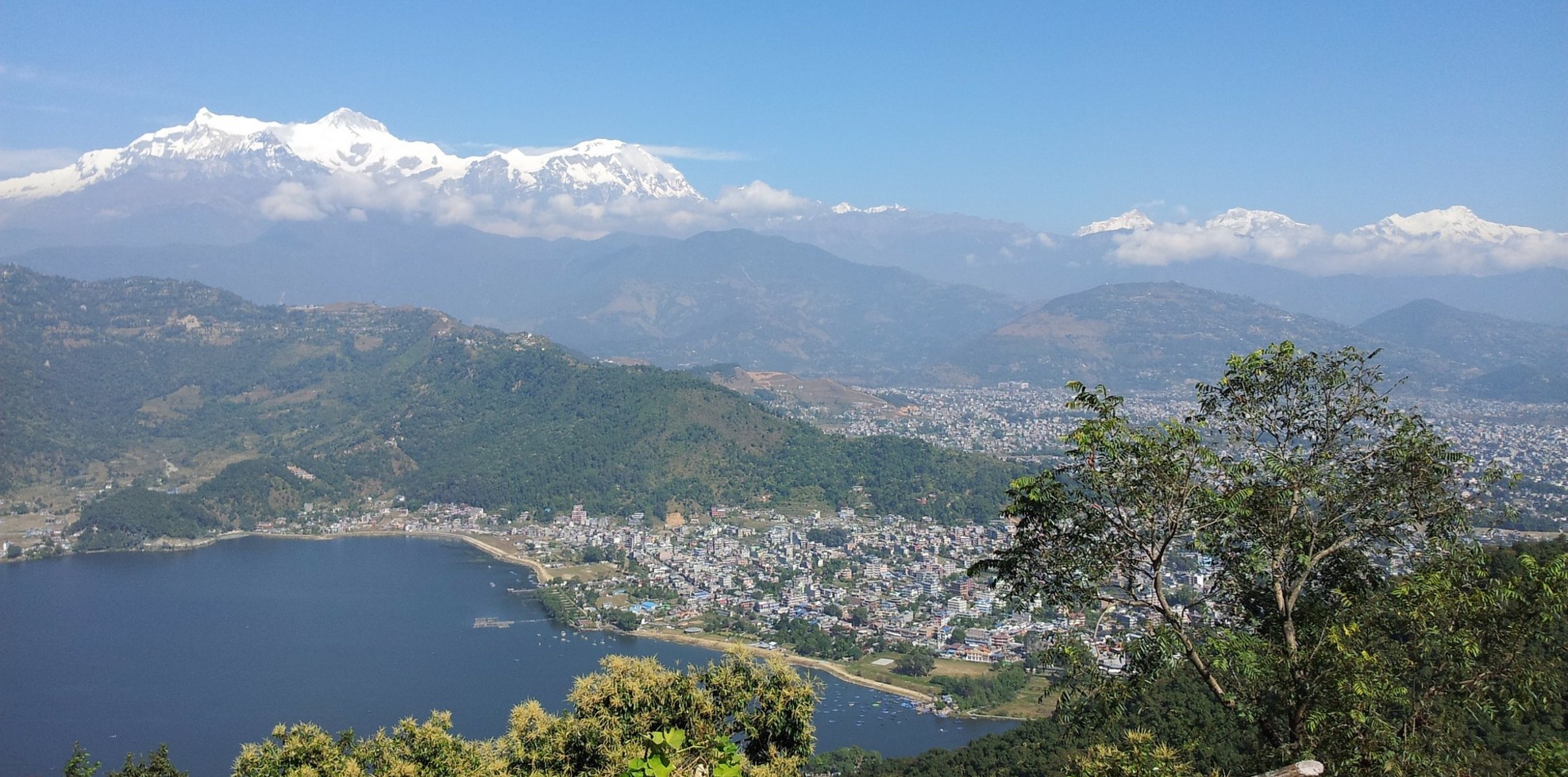 Pokhara View from World Peace Pagoda
Nepal follows four seasons, with all the charm and allure different to each other. These seasons play an integral part in what you will be experiencing you’ll encounter and experience on your trip. All of the aspects of your Nepal experience, from when to visit and packing it up to find the most bang for your buck including local customs, require a balanced experience.
Whether you want to hike in the middle of the country for a party experience or to find the new season of cultural festivities, see how it appears in nature, the season has a significant part in making things a lot more fun or simply look around in front of you.
Spring (March to May): While winter takes a little more breath from the grip, Nepal awakens in spring to some very cool colors and life. Rhododendrons cascade into bloom over the hills and valleys, flooding the topography with vivid colors. There are usually clear skies to see the Himalayas. So the coming spring is a great opportunity for trekkers, hikers, and nature lovers because trails spring with adventure.
Summer (June to August): June to August is the monsoon season in Nepal. Rain is commonplace, energizing the verdant countryside. This time, the Kathmandu Valley experiences a special mystique. And while trekking is tricky in some areas, summer is ideal for visiting cultural locations, celebrating festivals, and checking out the busy life on Nepal’s streets.
Autumn (September to November): Nepal’s most popular tourist time is probably autumn. After the monsoons comes clear skies with an unobstructed view of the stunning Himalayan mountains. It’s the perfect time for the Everest Base Camp and the Annapurna Circuit. On top of that, the country also gets to mark its big fairs such as Dashain, Tihar, and Chhath for a deep culture immersion.
Winter (December to February): Wind-chilling winter floods into Nepal’s northern provinces, where they become a snowball-laden expanse of ice-blown wonder. Trekking at a higher elevation might be challenging for people due to cold temperatures, but cities like Kathmandu are kept comfortably cool. So you go visit Nepal in winter, which makes it a great time for sightseeing, cultural exploration, and a good time to enjoy Nepal’s warm hospitality.
As a culturally colorful country with some of the most important festivals in Nepal, exploring its colorful festivals creates a unique and enveloping opportunity to see its unique diversity and traditions.
Following are the main festivals you should try to attend that Nepal offers:
Maha Shivaratri (February – March): A festival celebrating Lord Shiva, with fasting, nightlong vigils, and pilgrimage to Shiva temples. Kathmandu’s Pashupatinath Temple will fill up with a large number of devotees during this time.
Losar – Tibetan New Year (February – March): According to the Tibetan culture in Nepal, Losar is the starting of the Tibetan New Year. There are celebrated monastic rites, folk dances, and the construction of complex sand mandalas.
Holi (March): The Festival of Colors, Holi itself is an extravagant affair during which people exchange coloured powder and water freely. It heralds the birth of spring and the triumph of good over evil. Holi is an adored holiday in Nepal that enables a gathering of all ages to raise their heads and have a party with their music and dance, accompanied by colorful festival dressings throughout Nepal.
Bisket Jatra (April): This is Bhaktapur’s special festival for Nepali New Year, complete with the chariot procession of the gods, traditional tug-of-war matches, and the Yosin (tongue piercing) ceremony showing the vibrant culture of the Newar people.
Gaijatra (August) – Gaijatra (Cow Festival): In the Kathmandu Valley, Gaijatra (Cow Festival) is celebrated in memory of the dead from the previous year. Families that have lost loved ones during the past year also take part in a procession in a parade and dress up as jovial as they can for fun.
Dashain (September/October): Dashain, or Vijaya Dashami, is an elaborate and most important festival in Nepal. It is a manifestation of the good conquering evil and marks a period of reunion with family members and receiving blessings from the elders and feasts when they gather for the festive festival. It celebrates flying kites, playing traditional games, receiving Tika (blessings) and Jamara (barley sprouts) from elders.
Indra Jatra (September): This Newar festival in Kathmandu Valley celebrates the harvest and pays homage to Indra, the god of rain. Part of the Indra Jatra festival, Kumari Jatra, the living goddess Kumari is depicted as she is marched on the roads in a chariot and adorned with traditional music and dance.
Tihar (October/November): A Five-day observance of crows, dogs, cows and oxen and it is also known as Deepawali (or the Festivals of Lights). Each day carries a specific meaning and rituals leading to the worship of Laxmi, the goddess of wealth. Oil lamps light up every house, lighting homes and rangoli decorate the doorsteps.
Yomari Punhi (December-January): The Newar community, which celebrates Yomari Punhi or the sweet dumpling (rice flour dough) filled with molasses and sesame seeds, is a good thing to hold. That’s a moment to unite and prepare this delicacy.
It is absolutely critical to pack your Nepal adventure smartly! As the weather varies significantly from season to season and region to region, don’t forget to wear layers of clothing. Sturdy comfortable footwear is necessary during any trek and a good quality rain jacket is invaluable. As electricity can be variable in some regions, a universal power adapter would be a practical addition to our pack. If you’re traveling around the world, do not forget a well-stocked first aid kit to take care of minor health problems.
Prior to starting your Nepal trip, get informed regarding visa status regarding Nepal’s visa requirements. Arriving at Kathmandu’s Tribhuvan International Airport is important to travelers: most travelers are able to pay for a visa in the country. Or, you can seek a visa at Nepalese embassies or consulates before your trip.
Link: Nepal Immigration
Before your trip, it can be helpful to meet with a healthcare provider, to make sure you’re receiving and up to date with vaccinations and receive advice on health precautions. Altitude sickness is of major physical and psychological concern because, in particular, the greater parts of the mountains are known to be where trekkers are really at risk of it. Proper acclimatization, hydration, and knowledge of altitude sickness symptoms are the key to reducing its consequences.
In Nepal, it is of the highest critical importance to make sure that you are respecting the local traditions and cultural norms. Important steps that need to be followed to complete this are to take off your shoes before entering temples, monasteries, and homes. Dress modestly, when you are visiting a religious site, and you might learn a few simple Nepali phrases that will help you communicate with villagers and show that you appreciate their culture.
Nepal has public transportation services including buses, microbuses, private taxis, and hired drivers. Public transportation is cheap, yes, but if you come to a little-known destination, there will be convenience and flexibility. Domestic flights are another common mode of transportation and allow for short trips to a distant area, however weather affects flight timings.
There are several accommodation types available in Nepal which meets different budget & preferences. You will be able to find everything from budget guesthouses to luxury hotels in cities like Kathmandu and Pokhara. Teahouses provide unique lodging in popular trekking destinations, letting trekkers take a rest and recharge their batteries during their trek.
Spring (Ghorepani Poonhill Trek, Annapurna Base Camp trek, Langtang Trek): Spring’s mild temperatures and blooming landscapes make it an ideal time for hikes like the Ghorepani Poonhill trek. Seeing the sunrise over the Himalayas from Poonhill is a sight to behold. Another favorite trip in spring is the Annapurna Base Camp Trek, which offers stunning views of the Annapurna Range and a chance to immerse yourself in local culture.
Summer (Kathmandu Valley, Lumbini (Buddha’s Birthplace): Kathmandu Valley comes alive during summer’s monsoon rains. Explore Thamel’s colorful streets, visit its ancient temples, and soak up the city’s rich history. The serene and culturally significant destination of Lumbini takes on a unique beauty during the rainy season.
Autumn (Everest Base Camp Trek, Annapurna Circuit Trek): Autumn is the prime trekking season, with iconic routes like the Everest Base Camp trek offering unparalleled experiences. The Annapurna Circuit Trek is quickly alluring, providing trekkers with diverse landscapes, from lush forests to arid highlands.
Winter (Kathmandu, Chitwan National Park): Winter is an excellent time for sightseeing in Kathmandu, as the city’s cultural heritage sites and bustling markets are comfortably cool. For a different experience, head to Chitwan National Park or Bardiya National Park, where the moderate winter climate offers the opportunity to spot wildlife without the intense heat of other seasons.
Nepal meets a variety of budgets – the potential cost and the appropriate way of setting up such an event are all considerations. Accommodation facilities and travel, tour guides, meals, and cultural site entrance fees, for example, should all be factored into your budget. You can help manage your expenses by researching and booking in advance.
Your decisions will be based on travel preferences and the mode you choose to go on a solo tour or group tour. Solo travel has a feeling of independence and the flexibility to plan your own itinerary; at the same time, a group tour provides an experience that is structured in a structured setting and in which shared experiences along with the expertise of local guides are also offered.
Responsible tourism is a new phenomenon promoting guests to create a difference in the environment, culture, and local communities. Eco-friendly practices will help us to avoid wasting and help society, the environment, and the planet.
The seasons in Nepal have plenty of opportunities, and if you budget accordingly, you have the opportunity to soak with the wonders of Nepal’s culture and hospitality. Be it trekking through the Himalayas or exploring ancient temples, Nepal is definitely a journey of a lifetime. Keep in mind, your Nepal journey is an entry point connecting you more deeply to nature, people, and spirituality. You will realise the beautiful country with its different culture.
One of the most highly sought-after tourist destinations in the Himalayas, Bhutan…
If you've ever daydreamed of misty mountain mornings, prayer-flag-riddled ridges, and the…
Planning a trek in Bhutan? Learn how to choose the best routes…
As you trek up to the Annapurna Base Camp, you will most…
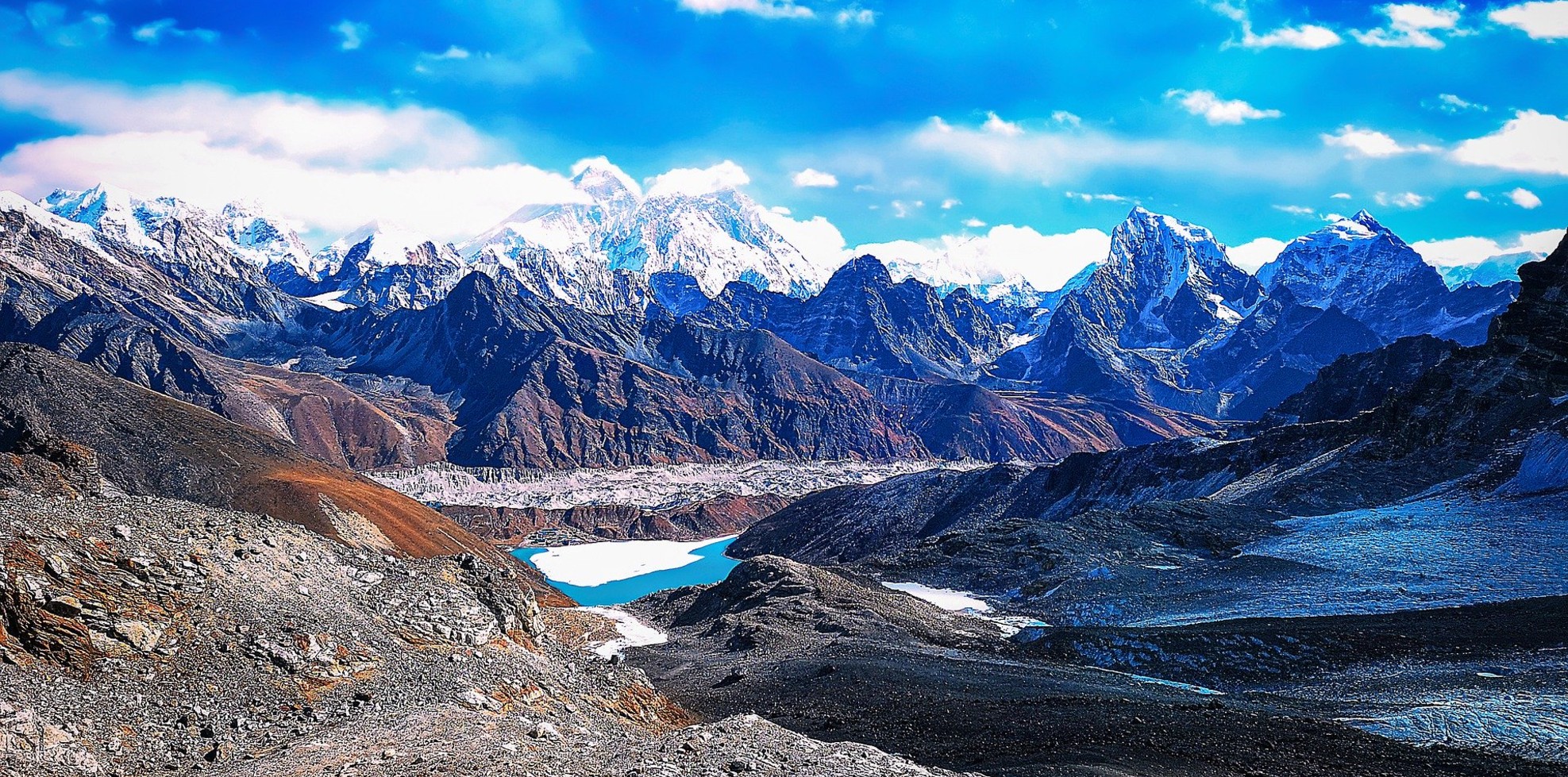
Gokyo Ri View When is the best time to hike to Everest…
Introduction A trip to Nepal and Bhutan is to visit the heart…