Planning a trek in Bhutan? Learn how to choose the best routes – from Druk Path and Dagala Thousand Lakes to Chomolhari and Bumthang – along with essential tips on permits, seasons, and logistics. This expert guide from HimalayanWindows Tours helps you prepare for the perfect Himalayan adventure.
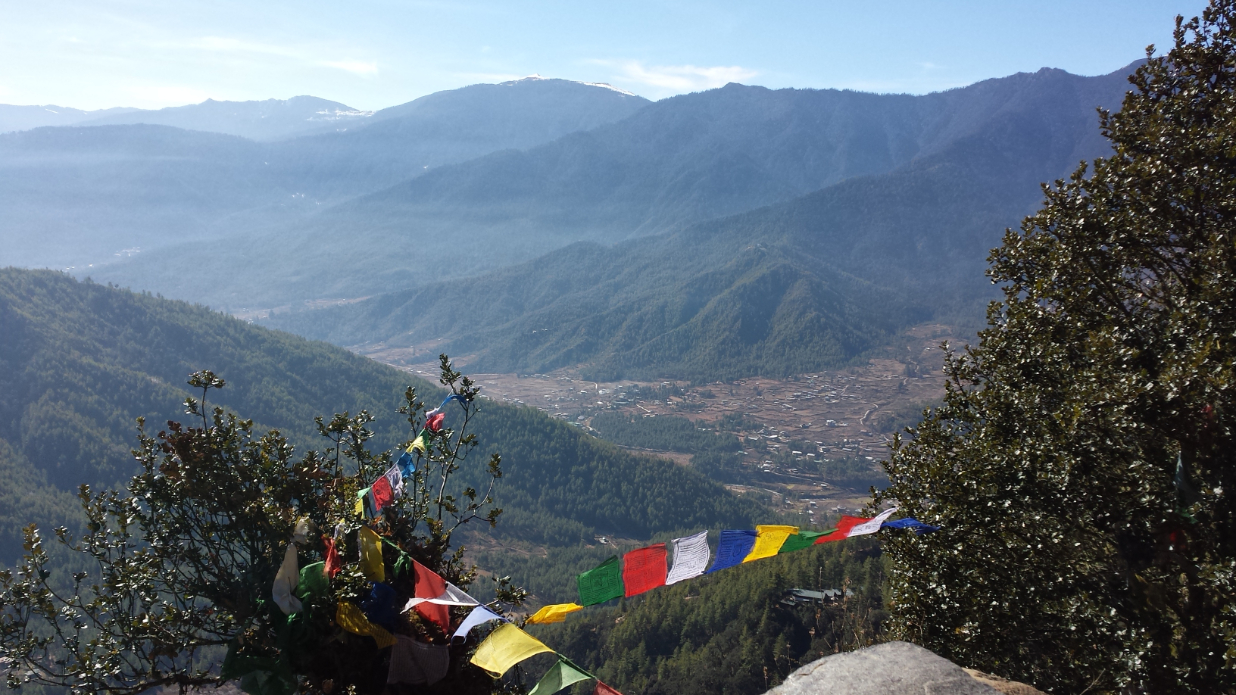
Bhutan is a Himalayan gem. It’s a country filled with beautiful valleys, amazing culture, and trails that move through rhododendron forests and alpine lakes. For trekkers who want to enjoy landscapes that feel untouched, experience deep spirituality, and the heartfelt warmth of local hospitality, Bhutan offers an experience unlike anywhere else in the world.
This guide explains how to plan a trek in Bhutan, why it’s such a special destination, the best trekking routes, the best seasons, why the routes offered by Himalayan Windows are excellent choices, and how to prepare for the iconic day hike to Tiger’s Nest (Paro Taktsang).
Trekking in Bhutan is one of the most rewarding Himalayan travel experiences, offering a rare blend of untouched landscapes, ancient Buddhist culture, and exclusive trekking routes. Whether you are a nature lover, adventure seeker, or a spiritual traveler, Bhutan’s pristine trails offer something magical. With limited visitors, sustainable tourism, and breathtaking scenery, Bhutan is becoming a top trekking destination for those who want an authentic, peaceful, and memorable Himalayan adventure.
Bhutan protects over 70% of its land with strict environmental policies, making its trekking trails some of the cleanest and most beautiful in the world. Expect crystal-clear rivers, dense alpine forests, glacial-fed lakes, dramatic high-altitude passes, and sheer cliff-face monasteries (like Tiger’s Nest) free from overcrowding.
Every Bhutanese valley is steeped in spirituality. Buddhist monasteries, temples, meditation caves, and sacred lakes lie scattered across trekking trails. Prayer flags flutter on high mountain passes, adding a peaceful rhythm to the journey. Even simple interactions with monks, herders, or villagers reflect Bhutan’s quiet, grounded way of life.
Bhutan’s tourism model emphasizes “high-value, low-volume” travel. That means trails, villages, and sacred sites feel far less crowded compared to similar routes in neighbouring Nepal or India. As a result, you see more local life and have a quieter, more immersive experience.
Bhutan’s trekking system is highly organized with licensed operators, quality camping equipment, and reliable logistics. Guides are experienced, and the country’s trekking infrastructure is focused on safety and preserving local culture. That makes Bhutan an excellent destination for first-time high-altitude trekkers who still want authenticity.
Bhutan is a global biodiversity hotspot. It is home to some of the most amazing and endangered wildlife, like the snow leopard, takin, red panda, blue sheep, and over 760 species of birds. Trekkers enjoy a natural paradise protected through the country’s strong environmental policies.
Bhutan offers treks for beginners, intermediate trekkers, and also for seasoned mountaineers. Routes range from comfortable cultural hikes to extreme high-altitude expeditions like the Snowman Trek, known as one of the toughest treks in the world. Whatever your fitness level, there’s a perfect route for you.
Bhutan’s Sustainable Development Fee (SDF) helps ensure every traveler contributes to conservation, infrastructure, and cultural preservation. When you trek in Bhutan, you directly support forests, wildlife, and local communities. This is one of the world’s most responsible travel models.
Choosing the right season is crucial to ensure a safe and scenic trekking experience. Bhutan’s weather changes dramatically with the seasons, so understanding the ideal trekking months helps you plan effectively.
Spring is one of the best seasons for trekking in Bhutan. The southern parts of Bhutan experience typical subtropical weather with hot and humid conditions, while the northern regions, including Thimphu, Paro, and Bumthang, enjoy warm days, cool nights, and clear blue skies.
Why choose Spring?
Autumn is the best time to visit Bhutan for trekking, with clear skies and ideal weather conditions. Travelers can capture stunning photos and experience Bhutan’s most popular autumn festivals during this peak travel season.
Why choose Autumn?
Winter is cold but still suitable for lower-altitude cultural treks.
Best for:
High-altitude treks become risky due to snow.
The monsoon season is not recommended for trekking. Trails become slippery, and mountain views are obstructed. However, lush greenery and orchid blooms make it good for photography and cultural sightseeing.
RELATED READ | How To Obtain A Bhutan Visa Traveling From Nepal?
HimalayanWindows Tours offers some of Bhutan’s most rewarding Trekking experiences. Below are the top routes, their highlights, and who they’re ideal for.
Duration: 5-6 days
Best Season: Spring and Autumn
Difficulty: Easy-Moderate
The Druk Path Trek is one of Bhutan’s oldest, most famous, and accessible treks. Along the way, you’ll wander through lush pine forests, sparkling high-altitude lakes, colorful alpine meadows, ancient temples, and panoramic mountain views. Stretching between Paro and Thimphu, this 5-6 day trekking route is ideal for both beginners and experienced hikers looking for a rewarding Himalayan experience without extreme difficulty.
Major Highlights of The Druk Path Trek
Suggested Itinerary for The Druk Path Trek:
Duration: 6-7 Days
Best Season: Spring and Autumn
Difficulty: Moderate
The Dagala Thousand Lakes Trek is one of the most stunning high-altitude treks in the country, renowned for its crystal-clear alpine lakes, enchanting panoramic Himalayan sights, and peaceful, remote landscapes. Along the Dagala trail that goes by wildflower meadows and pristine valleys, you may meet yak-herders who greet travelers with a warm smile. Best visited from April-June and September-October, it’s perfect for trekkers seeking serenity and breathtaking Himalayan scenery.
Major Highlights of The Dagala Thousand Lakes Trek
Suggested Itinerary for The Dagala Thousand Lakes Trek:
Duration: 7-9 days
Best Season: Spring and Autumn
Difficulty: Challenging
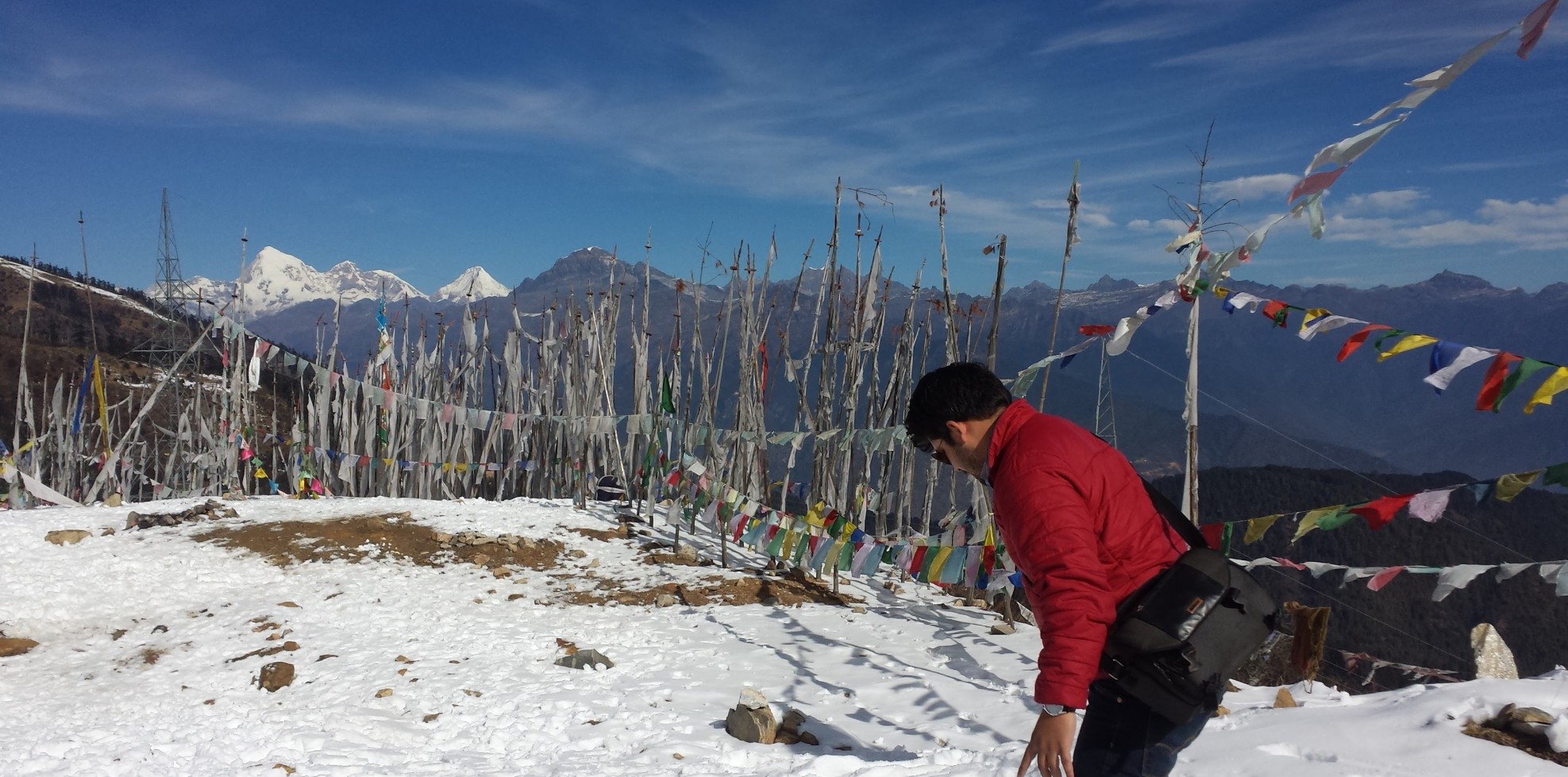
The Jomolhari Trek is one of Bhutan’s most iconic high-altitude adventures, offering stunning views of the sacred Mount Jomolhari, beautiful valleys, and traditional yak-herding camps. In this challenging trek, you will wander through forests, colorful alpine meadows, remote villages, and valleys that seem untouched by time. Waking up to the sight of Mouth Jomalhari’s snow-capped peak is a memory that stays with every trekker. Best during spring and autumn, this trek is perfect for those seeking dramatic Himalayan scenery, rich biodiversity, and authentic Bhutanese wilderness.
Major Highlights of The Jomolhari Trek
Suggested Itinerary for The Jomolhari Trek:
Duration: 3-4 days
Best Season: Spring and Autumn
Difficulty: Easy-Moderate
The Cultural Bumthang Trek is one of the best short treks in Bhutan, which offers an immersive journey through Bhutan’s “spiritual heartland”. This trek combines scenic landscapes with rich cultural heritage. Trekkers can explore ancient monasteries, traditional villages, and sacred temples while passing through lush valleys and pine forests. The sound of temple bells creates a peaceful rhythm along the trail. This trek showcases authentic Bhutanese traditions, festivals, and Himalayan scenery, and is ideal for cultural enthusiasts and moderate-level trekkers.
Major Highlights of The Cultural Bumthang Trek
Suggested Itinerary for Cultural Bumthang Trek:
These trails are handpicked by HimalayanWindows Tours because:
Whether you are a beginner, an intermediate trekker, or an experienced one, these routes ensure an unforgettable Himalayan adventure.
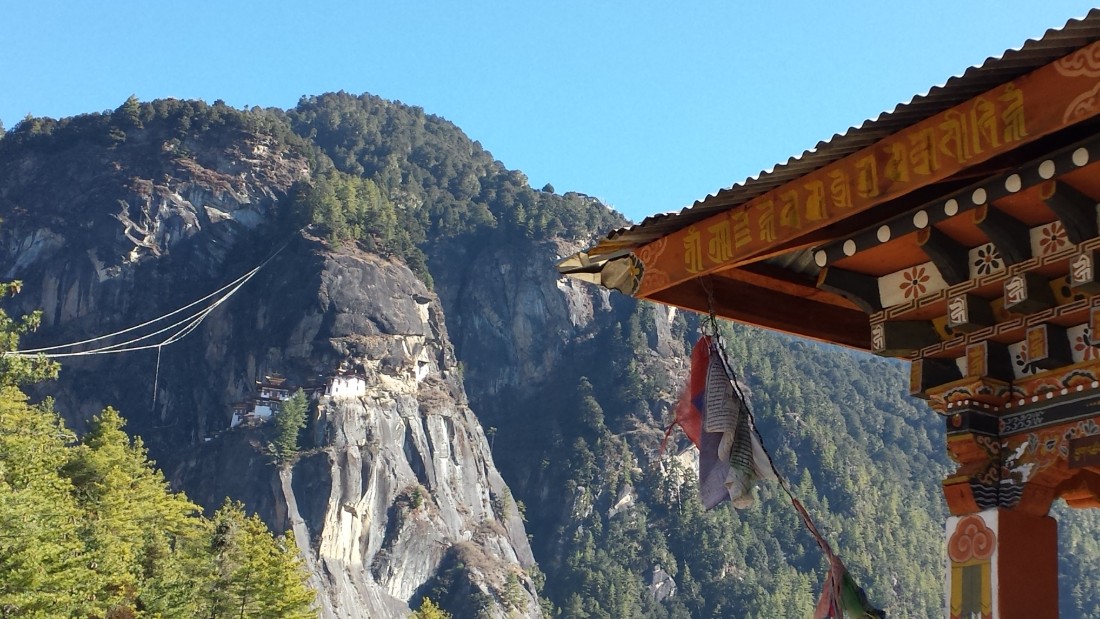 Tiger’s Nest perched on the cliffside in the distance.
No hike to Bhutan is complete without hiking to Tiger’s Nest Monastery, which is dramatically perched on a cliff 900 meters above the Paro valley.
The hike to Paro Taktsang is one of the most memorable experiences one can have. The trail begins with a gentle climb through pine forests scented with prayer incense, and gradually opens up to amazing views of the monastery clinging to a cliff. Most hikers take about 4-5 hours to complete the round trip while walking at a relaxed pace and taking breaks at popular viewpoints. The final steps lead the trekkers into a sacred space filled with ancient shrines and the calm hum of Buddhist chants.
Why Tiger’s Nest is a Must-Visit?
The scenery, the challenge, and the spiritual atmosphere throughout the trail promise an unforgettable experience to anyone who comes for a day hike to the Tiger’s Nest.
RELATED READ | All You Need To Know Before Traveling To Bhutan
Planning the perfect trek in Bhutan involves several important steps. Here’s a detailed guide to help you prepare.
Spring and Autumn are the top seasons for trekking, offering clear skies, unobstructed mountain visibility, and ideal trekking conditions.
The land of Thunder Dragons offers diverse trekking conditions from hot, humid valleys to cold, high-altitude trails, requiring careful packing for varying weather.
A good packing list includes:
All trekkers must enter Bhutan through a licensed tour operator. Your tour fee includes:
Altitude is real, and the Himalayan weather can change without any warning. So, it is important to come prepared with packing essentials and stay attentive to the guide’s instructions. It is always suggested to:
Travel insurance is recommended for high-altitude treks. It is the best way to stay protected in case of medical issues or unexpected disruptions during your journey.
With expert guides, detailed itineraries, premium services, and local knowledge, Himalayan Windows ensures your trek is:
You simply enjoy the scenery, while we take care of everything else.
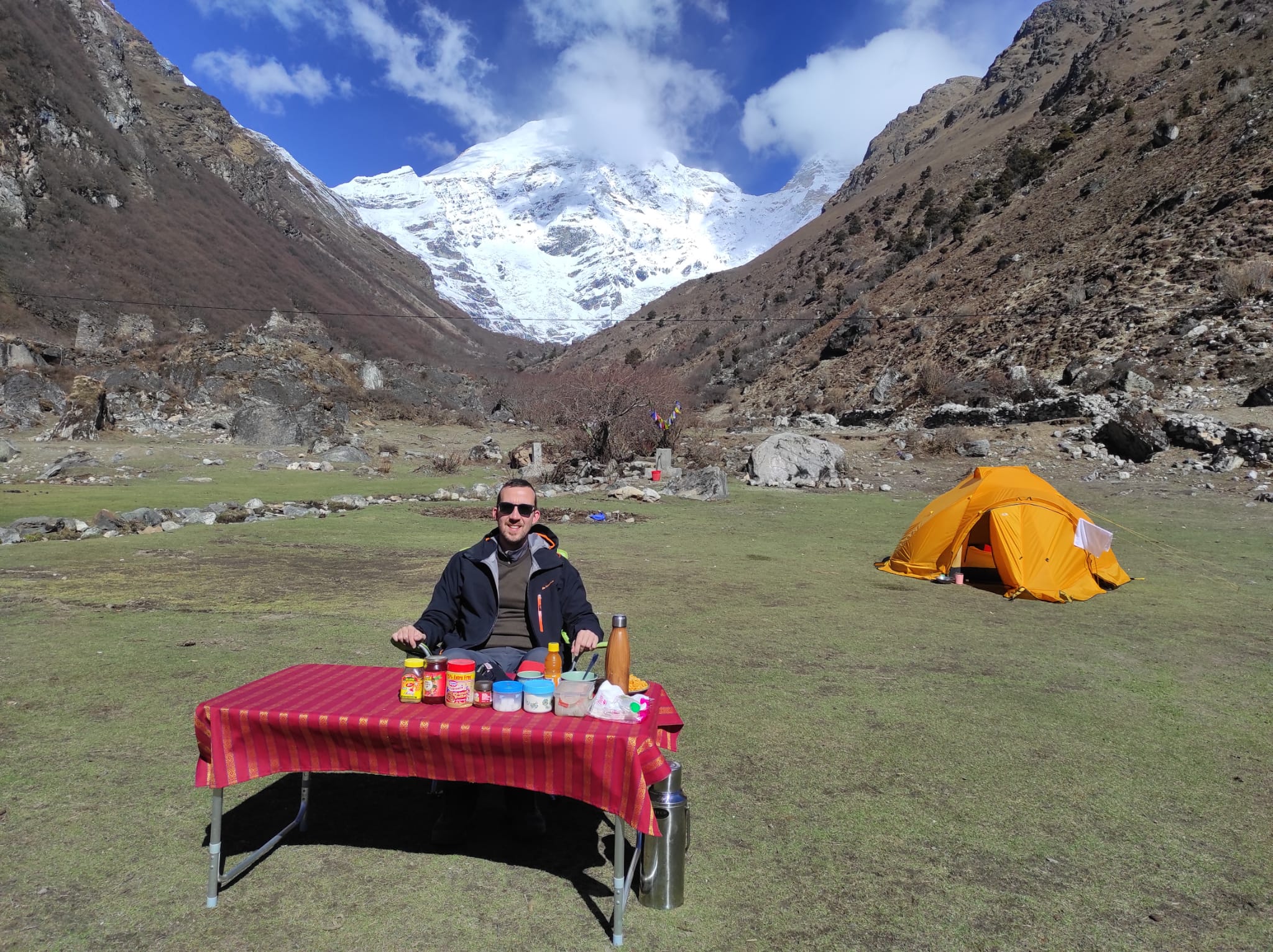
Trekking in Bhutan isn’t just about trails and mountains. It is about slowing down, breathing in the mountains, reconnecting with nature, meeting warm-hearted people, and experiencing a culture shaped by spirituality and simplicity. Each trek, from Druk Path to Jomolhari, offers something meaningful and memorable.
If you feel ready to explore Bhutan at your own pace, we’d be happy to guide you.
If trekking isn’t exactly what you’re looking for, you still have plenty of ways to explore Bhutan.
The ideal seasons are spring (March-May) and autumn (September-November), when the weather is stable, skies are clear, and mountain views are at their best.
Yes, Bhutan requires all trekkers to be accompanied by a licensed guide as part of the country’s sustainable tourism policy. This ensures safety, environmental protection, and cultural respect.
Beginner-friendly treks like the Cultural Bumthang Trek and the Druk Path Trek require basic fitness, while challenging routes like the Jomolhari Trek demand good stamina and acclimatization. Choose a route after contacting tour operators or based on your experience level.
Yes, Licensed tour operators like Himalayan Windows will handle all permits, camping arrangements, meals, guides, and logistics as part of your Bhutan trekking package.
Some high-altitude routes, like the Jomolhari Trek, involve passes above 4000m. Proper altitude adaptation, steady pace, and proper hydration help minimize altitude-related issues.
Most Bhutan treks range from 3 to 12 days, depending on the route. You also add time for cultural sightseeing in Paro, Thimphu, Bumthang, or Punakha.
Absolutely, treks like the Druk Path Trek and the Bumthang Cultural Trek are ideal for beginners, offering moderate terrain and rewarding cultural experiences.
The most popular trekking routes include:
Each offers a unique blend of scenery, altitude, and cultural immersion.
9. What is the approximate cost for trekking in Bhutan?
The cost of trekking in Bhutan generally ranges from USD 350 to USD 450 per person per day, depending on the trek duration, season, altitude, and level of comfort. This price typically includes all government-set tariffs, Sustainable Development Fee (SDF), licensed Bhutanese guide, cook, and porter team, camping equipment, meals, transportation, and accommodation during the trek.
Trekking in Bhutan is one of the most rewarding ways to experience the Himalayas, offering amazing landscapes, rich Buddhist culture, and peaceful trails far from the crowds. Whether you choose the Druk Path, the Dagala Thousand Lakes, the Jomolhari Trek, or a cultural journey through Bumthang, each route offers something special for every type of traveler. With the guidance and expertise of Himalayan Windows Tours, your trek becomes safe, well planned, and truly memorable.
If you are ready to explore Bhutan’s beautiful mountains and authentic traditions, your adventure can begin here. Bhutan is waiting to welcome you!
If you've ever daydreamed of misty mountain mornings, prayer-flag-riddled ridges, and the…
Embarking on the epic trek to Annapurna Base Camp is an adventure…
Nepal, a captivating blend of majestic landscapes, rich cultures, and spiritual heritage,…
Gokyo Ri View When is the best time to hike Everest Base…
Introduction: Embarking on a journey to Nepal and Bhutan is like stepping…
Are you planning to travel to Bhutan from the United States of…